
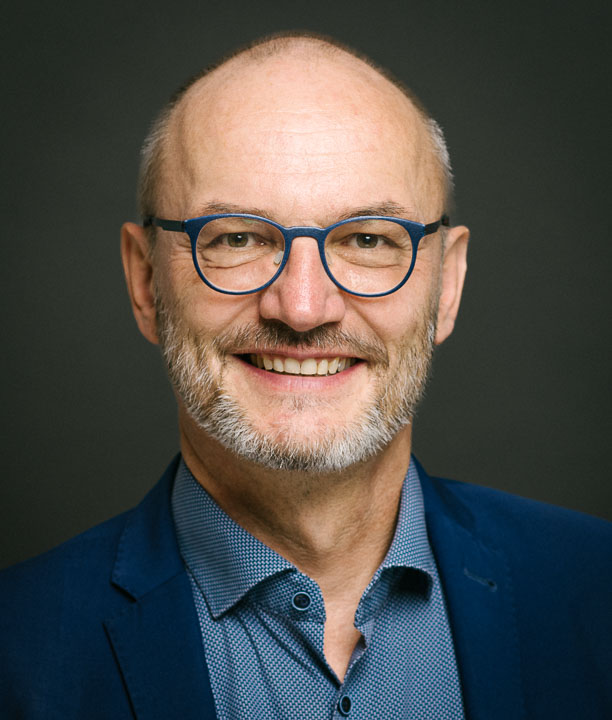
Jan Berger - Biography
Jan Berger – Thought leader for future strategies
Jan Berger is the founder and CEO of the renowned think tank Themis Foresight. He is considered one of the clearest and most incisive voices in the discourse on the future. His keynotes are not about futuristic pipe dreams, but about tangible, validated insights. With a keen eye, he analyzes the interactions between technology, society, economics, and politics. In doing so, he not only highlights opportunities, but also sheds light on risks and side effects – always with an eye on the concrete implications for companies and their business models.
As the author and co-author of numerous future studies, books, and trend analyses, Jan Berger brings in-depth knowledge to the stage. His expertise makes him a sought-after sparring partner for executives and top decision-makers in corporations.
Jan Berger Lecture topics
- Europe’s Economy in a New World Order
- Europe and Germany in 2035
- Industrial Renaissance – How Europe Can Grow Again
- When Intelligence Becomes Affordable – AI, Work, and the Skills of the Future
- Futures of the European Capital Market
Jan Berger studied history at Moscow State University after the collapse of the Soviet Union. He has lived and worked on four continents and has held leadership positions at corporations, startups, and a foresight institute. As the author and co-author of numerous foresight studies, he combines his international and entrepreneurial experience with the research conducted by Themis Foresight.
Jan Berger: “Foresight isn’t about being right. It’s about enabling better decisions.”
Jan Berger does not view foresight as a trend show. He uncovers the assumptions behind grand narratives about the future, examines what is actually changing, and highlights opportunities, risks, and interdependencies. Whether it’s artificial intelligence, industrial transformation, capital markets, or Europe’s role in the world: what matters most is what options for action emerge from these developments.
Participants experience his presentations not as an abstract glimpse into the future, but as strategic clarification. They report that afterward, they can more clearly assess their company’s future viability and gain new insight into the value it actually creates. Particularly in the AI debate, his analysis helps distinguish grand promises from real change and regain focus on one’s own capabilities and options for action.
In this way, direction leads to the ability to take action – and the ability to take action leads to confidence. People leave his keynote speeches with the courage to help shape the future of their companies themselves.